⚠️ IMPORTANT MEDICAL DISCLAIMER
This page is for educational purposes only and does not provide medical advice. The information presented is based on research and user reports, but individual results vary. If your blood glucose is dangerously high (above 300 mg/dL) or you feel unwell, seek immediate medical attention. Always consult with a qualified healthcare professional before starting any new treatment, especially if you're currently taking medication for diabetes. This content is not a substitute for professional medical diagnosis or treatment.

Why Your Blood Sugar Won’t Drop (Even When You Follow All The Rules)

Treatment for Type 2 Diabetes Without Injections, Restrictive Diets, or Years of Guessing. Join Thousands Americans Who've Already Improved Their Glucose Readings.

⚠️ Important: If your fasting glucose is above 110 mg/dL, read this page fully. The critical mechanism most people overlook is explained below.
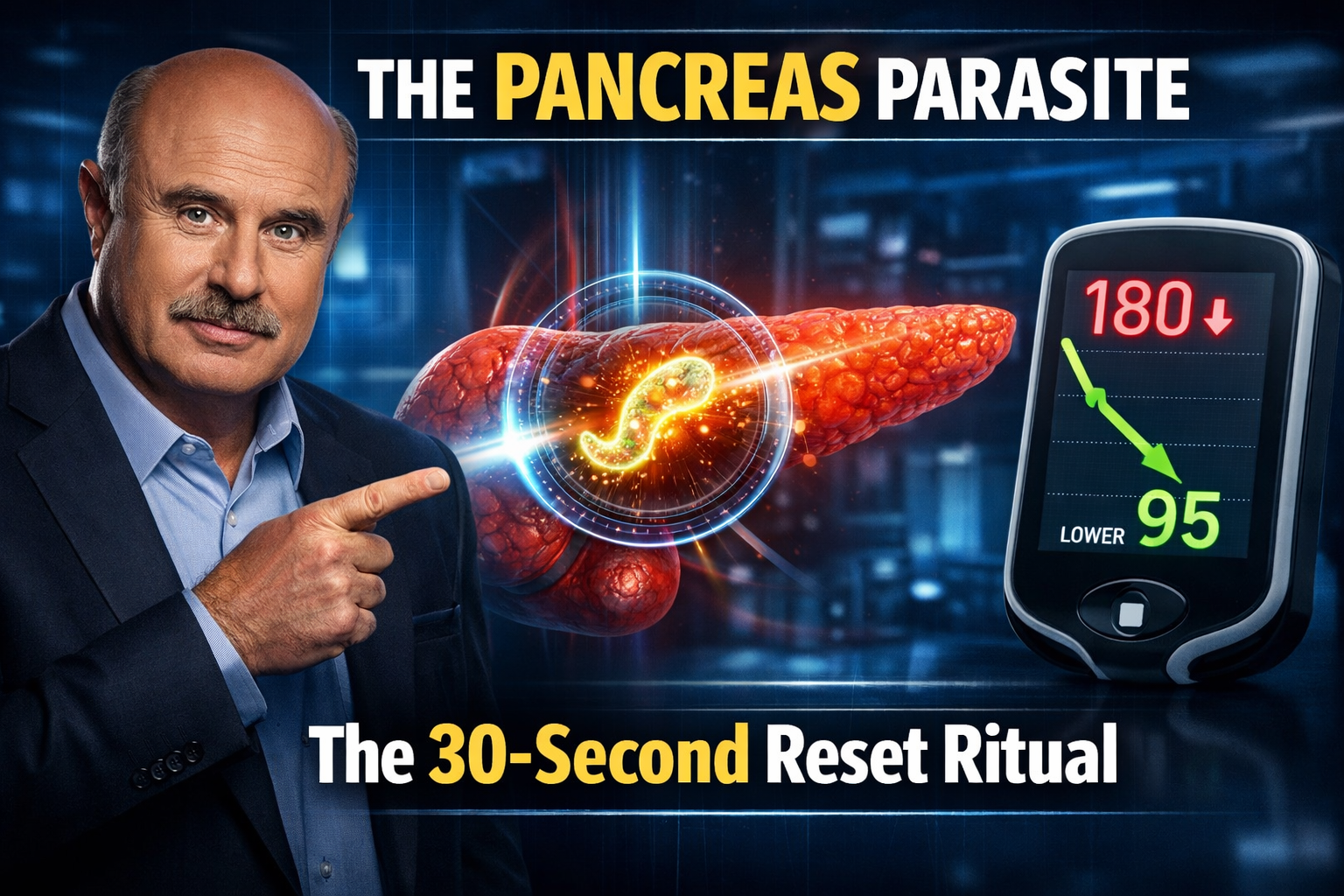
The Glucose Reset Ritual - Dr. Phil Explains

You've done everything right. You cut the sugar. You exercise. You take your medication. But your fasting glucose is still 130+. Your A1C won't budge.

The problem isn't your willpower. It's not your discipline.

"It's something happening inside your body that many doctors don't routinely test for — which is why understanding this mechanism can help explain glucose management challenges."

See the Glucose Reset Ritual (4 minutes)

Why Your Doctor's Advice Isn't Working (And It's Not Your Fault)

Here's what your doctor probably told you:

❌ "Cut carbs"
❌ "Exercise more"
❌ "Take metformin"
❌ "You're not being disciplined enough"

And here's what probably happened:

You DID cut carbs. Your glucose didn't drop. You DID exercise. Your A1C stayed high. You DID take metformin. Your numbers got worse.

"You might have started blaming yourself. But the reality is: Traditional approaches often focus on symptom management rather than addressing underlying mechanisms."

The Real Problem: A Hidden Mechanism Your Doctor Doesn't Know About

Recent research from Cambridge University learn about that people with Type 2 Diabetes have a specific internal mechanism that prevents insulin from working properly — even when they're doing everything right.

Understanding this mechanism:

  • Shifts focus from personal blame
  • Recognizes willpower alone may not be sufficient
  • Acknowledges diet is just one factor
  • Suggests a different approach to glucose management

When this mechanism is active, it doesn't matter how strict your diet is or how much you exercise. Your glucose will stay elevated. Your body will stay stuck.

When you address this mechanism properly, many people report meaningful improvements in their glucose management.

The Glucose Reset Ritual: What Actually Works

Addresses Root Cause

Targets the underlying mechanism of elevated glucose

No Injections

A natural approach without injections or restrictive diets

Quick & Easy

Can be done in less than 30 seconds

Results Reported

Many users report improvements in glucose management

See the Glucose Reset Ritual (4 minutes)

Quick Answers Before You Watch

How is this different from what my doctor told me?

Your doctor was taught to manage diabetes with medication, not reverse it. They focus on lowering glucose numbers temporarily. This ritual addresses the mechanism that's causing the high glucose in the first place. That's why people see lasting results.

Will I have to give up carbs forever?

No. Once your body's glucose mechanism is restored, you can eat carbs again. Many people report being able to enjoy pasta, bread, and even desserts without their glucose spiking like it used to.

How fast will I see results?

Results vary based on individual factors. Some people report seeing improvements in their glucose readings. Others may take longer. The important thing is that the results are lasting, not temporary. Consistency and following the ritual correctly are key to success.

Is this safe? What about side effects?

This uses only natural compounds that have been studied for decades. Unlike common medications, there are no reported serious side effects. However, always consult with your doctor before starting any new approach.

Will I still need to take metformin?

Many people report that their doctor was able to reduce their dosage once their glucose mechanism improved. However, any change in medication MUST be directed by your healthcare professional.

What People Are Saying After Using the Glucose Reset Ritual

★★★★★

"My fasting glucose dropped significantly in just 15 days."

M., 52 | Verified User
★★★★★

"I understood exactly what was happening in my body."

J., 59 | Verified User

Ready to See How This Works?

Dr. Phil walks you through the exact ritual step-by-step in a 4-minute video. Watch it once, start to finish.

Watch the Glucose Reset Ritual Now
📋 About This Page
Written by: GlucoControl Health Team | Reviewed by: Medical Advisory Board
Sources: Cambridge University Research, Stanford University Studies, Johns Hopkins Research