Blood Sugar · Symptoms · Type 2
Diabetes Symptoms: Loretta Blamed the Tired Afternoons, the 3 a.m. Bathroom Trips and Her Cold Toes on Turning 62. Her Granddaughter Didn't
The diabetes symptoms women over 55 most often write off as age, why they tend to show up as a group, and the overlooked factor a physician says keeps them coming back even after the diet changes.
By the Blood Sugar Balance editorial desk · October 2026 · 7 min read
Loretta, 62, drove a school bus in Knoxville, Tennessee for twenty-two years, and she still does the morning route because, as she puts it, "the kids would riot." When her granddaughter Kayla, a nursing student home for fall break, asked her one afternoon whether she'd ever looked up diabetes symptoms, Loretta laughed. "Honey, I'm sixty-two. Everything is a symptom."

Then Kayla started listing what she'd noticed in one week at her grandmother's house. The nap after lunch that used to be twenty minutes and was now an hour and a half. The glass of water on every table in the house. Two, sometimes three trips down the hallway after midnight. The way Loretta kept rubbing the tops of her feet on the couch and saying her toes were "always cold now." The cut on her hand from the garden that still hadn't closed two weeks later.
Loretta had an explanation for each one. Age. The heat in September. Too much coffee. Bad circulation, like her mother. Kayla didn't argue with any single one. She just said, "Grandma, you have an excuse for every one of them. You don't have an excuse for all of them at once."
The diabetes symptoms we blame on age
Here is the uncomfortable part. Most early type 2 diabetes symptoms don't feel like an illness. They feel like getting older. That's exactly why so many women find out years late, usually from a routine lab sheet. The ones that show up most often:
- Heavy tiredness after meals. Not sleepy, drained. The kind that makes you sit down "for a minute" and wake up an hour later.
- Thirst and a dry mouth that a glass of water doesn't quite fix.
- Getting up at night to use the bathroom, often more than once.
- Tingling, numbness or cold in the feet and toes. Many women blame shoes or circulation for years.
- Cuts and scrapes that heal slowly, or skin infections that keep coming back.
- Blurry vision that comes and goes, worse some days than others.
- Cravings for sweets an hour after a full meal.
One of these alone usually means nothing. Three or four together, in the same season of your life, is a pattern your doctor needs to hear about. In older adults the classic signs are often quieter, too: researchers who study diabetes in people over 60 keep finding that thirst, fatigue and dry mouth top the list, while the dramatic textbook symptoms may never show up at all.
If you recognize several of these: ask your doctor for an A1c and a fasting glucose. It's a simple blood test. And if you ever feel confused, faint, very weak, or extremely thirsty with a reading over 300, that is not a "wait and see" moment. Call your doctor or 911.
Why they travel together
Kayla explained it to her grandmother the way her professor explained it to her. When sugar stays in the blood too long, the kidneys try to flush it out, so you make more trips to the bathroom and lose water, so you're thirsty. The cells that were supposed to burn that sugar don't get it, so you're tired even though you just ate. Sugar sitting in the blood for months is hard on the smallest blood vessels and nerves first, and the longest nerves in your body run to your toes. And healing needs good blood flow, so the cut on your hand takes its time.
It's one problem wearing seven different coats. That's why treating the coats one at a time, a better pillow for the naps, a humidifier for the dry mouth, wool socks for the toes, can feel like it's working and still go nowhere.
Recognized more than three on that list?See what a physician says sits underneath all of them →"I already cut the sugar." That can help, but…
Loretta's doctor confirmed it in October: A1c of 7.1, type 2. She did what most of us would do. She stopped the sweet tea, switched to wheat bread, and started walking the bus lot after her route. Those are good changes, and for some people they're enough to move the number.
But three weeks in, the afternoon crash was still there and the hallway trips were still there. "I'm doing my part," she told Kayla. "Why is my body not doing its part?"
That's the question that matters. Cutting sugar works on what goes into your blood. It doesn't, by itself, fix how well your body uses its own insulin to move that sugar out, hour after hour, including the long stretch between supper and breakfast. When that second step is the weak link, the symptoms hang on even while the plate looks perfect.
The factor most checklists never mention
Kayla had heard about it from one of her clinical instructors, who had heard about it from a patient. She found it that night and watched it with her grandmother on the couch: a presentation from a physician who spent thirty years handing patients the same advice, until someone close to him followed that advice to the letter and kept getting worse.
In it, he explains what he believes quietly interferes with the body's own response to insulin, an overlooked factor that ordinary checkups don't look for. He says it's the reason some people feel like they're fighting their own body instead of managing a number. And he walks through a short morning ritual he prepares at home, built around olive oil, but he's very specific: which olive oil, what goes in with it, and what time of the morning. "It's not just a spoonful of the bottle in your pantry," Loretta said afterward. "He was very clear about that."
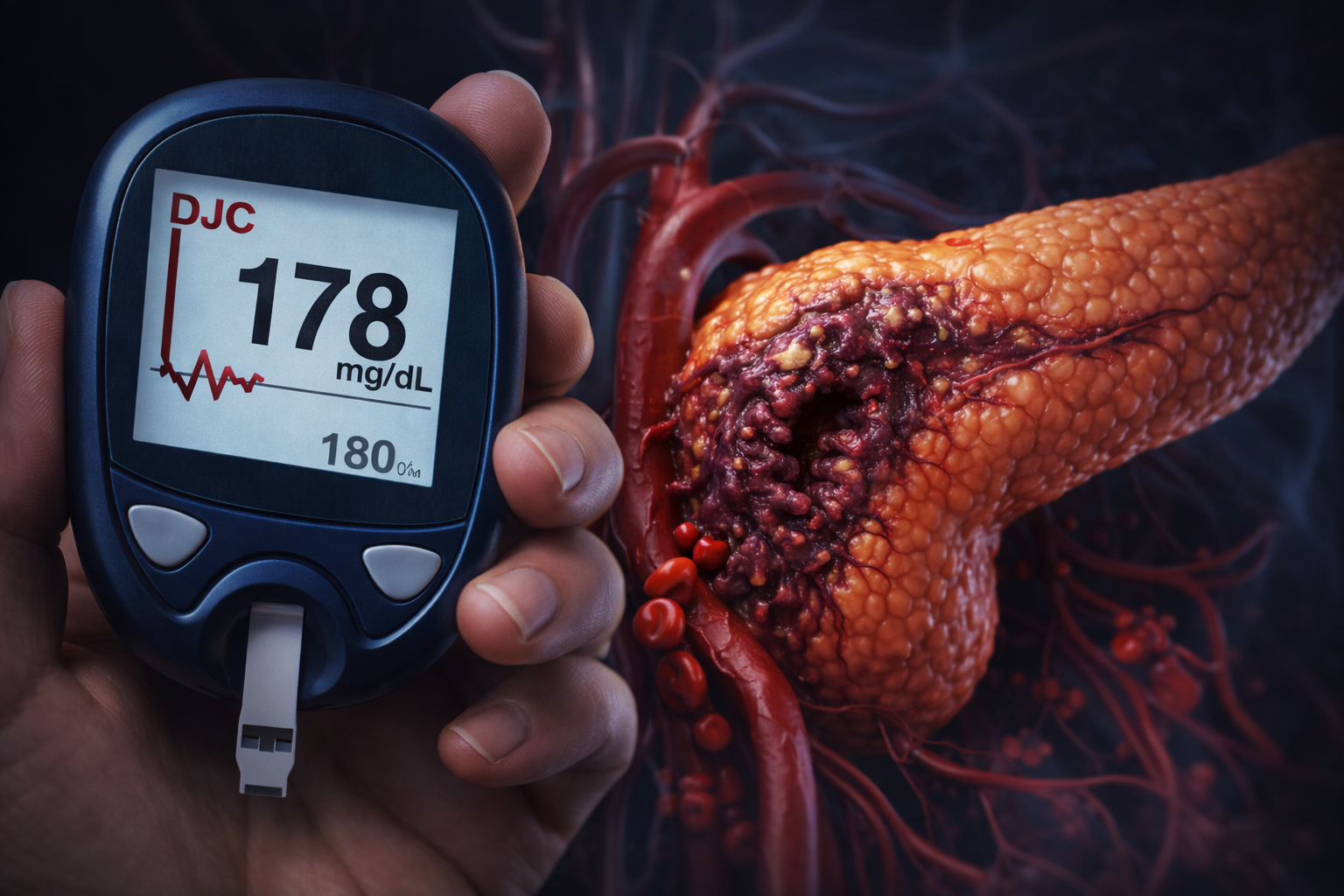
I'm not going to retell the details here. The "which oil" and the "what time" are the whole point, and they lose something secondhand.
Doing your part and still crashing at 3 p.m.?Watch the presentation Kayla played on the couch →What's on Loretta's counter now
At the end of the presentation, the physician talks about a supplement made to support the body's own blood sugar balance through the whole day, not just at mealtimes. It's called Glyco Barrier. Loretta wasn't about to take anything her granddaughter couldn't explain, so Kayla read the label out loud at the kitchen table while Loretta held the bottle at arm's length to read along.

What they found on the label
- Chromium picolinate. A mineral studied for how well the body responds to its own insulin. "That's the part the sweet tea had nothing to do with," Kayla said.
- Gymnema sylvestre leaf. A traditional herb for healthy glucose metabolism and for quieting the pull toward sweets after supper.
- Green tea leaf. Antioxidants and gentle metabolic support.
- Coleus forskohlii root. Supports how the body uses stored fuel.
- Maca root. Traditionally used for steadier energy, which is what she wanted most in the afternoon.
What she noticed, and when
- Weeks 1 and 2. Drops in the morning before the route and in the evening. Same food, same walks. Nothing she'd swear to.
- Weeks 3 to 6. The after-lunch nap shrank back toward twenty minutes most days. Her fasting readings started landing lower than her first week.
- Month 2. One hallway trip most nights instead of two or three. Fewer water glasses scattered around the house.
- Month 3. Her recheck is in January. Kayla has it on her calendar too.
Why does it take weeks? Because your A1c reflects about three months of blood, and anything aimed at how the body handles sugar between meals needs time before you or a lab can see it. Results vary from person to person, and some people will still need more help from their doctor. That isn't failure.
It may suit you if you have prediabetes or type 2, you've already made changes to how you eat, and the symptoms or the number have stalled. Skip it or ask your doctor first if you have type 1, take insulin or another glucose-lowering medicine, have kidney or liver problems, or are pregnant or nursing. The order page shows a 60-day satisfaction promise from the date of purchase.
Before you write off one more symptom as ageSee the routine and the bottle Loretta keeps by her keys →P.S. Loretta still tells people she's "just tired, like everybody my age." Kayla still corrects her. If you read that list and counted three or four of your own, make the doctor's appointment, and then watch the presentation the same night.
Continue reading Tired After Eating? It May Not Be the Food Why the after-lunch crash is one of the first signs worth taking seriously.Sources and further reading
American Diabetes Association. Standards of Care in Diabetes, 2026: classification and diagnosis; older adults.
Frontiers in Medicine (Geriatric Medicine), 2026: symptom clusters in older adults with type 2 diabetes (thirst and dry mouth, fatigue among the most prevalent).
CDC. Diabetes symptoms (accessed October 2026).