Blood Sugar · Prediabetes · National Diabetes Month
Can You Reverse Prediabetes in 3 Months? Rosa's A1c Was 6.1 in August. Her Next Test Is the First Week of February
What three months can and can't do for prediabetes, why the A1c is a three-month number in the first place, what the big prevention study found, and the signal a physician says decides whether the effort shows up on the lab report.
By the Blood Sugar Balance editorial desk · November 2026 · 7 min read
Rosa, 61, has owned a two-chair hair salon in El Paso for twenty-two years. She talks for a living and listens for a living, and in August she sat in her doctor's office and heard the word she'd heard from half her customers: prediabetes. A1c 6.1. Fasting number 118. "We'll recheck in six months," the doctor said, "and let's see some changes." She left with a pamphlet and a date circled for the first week of February.
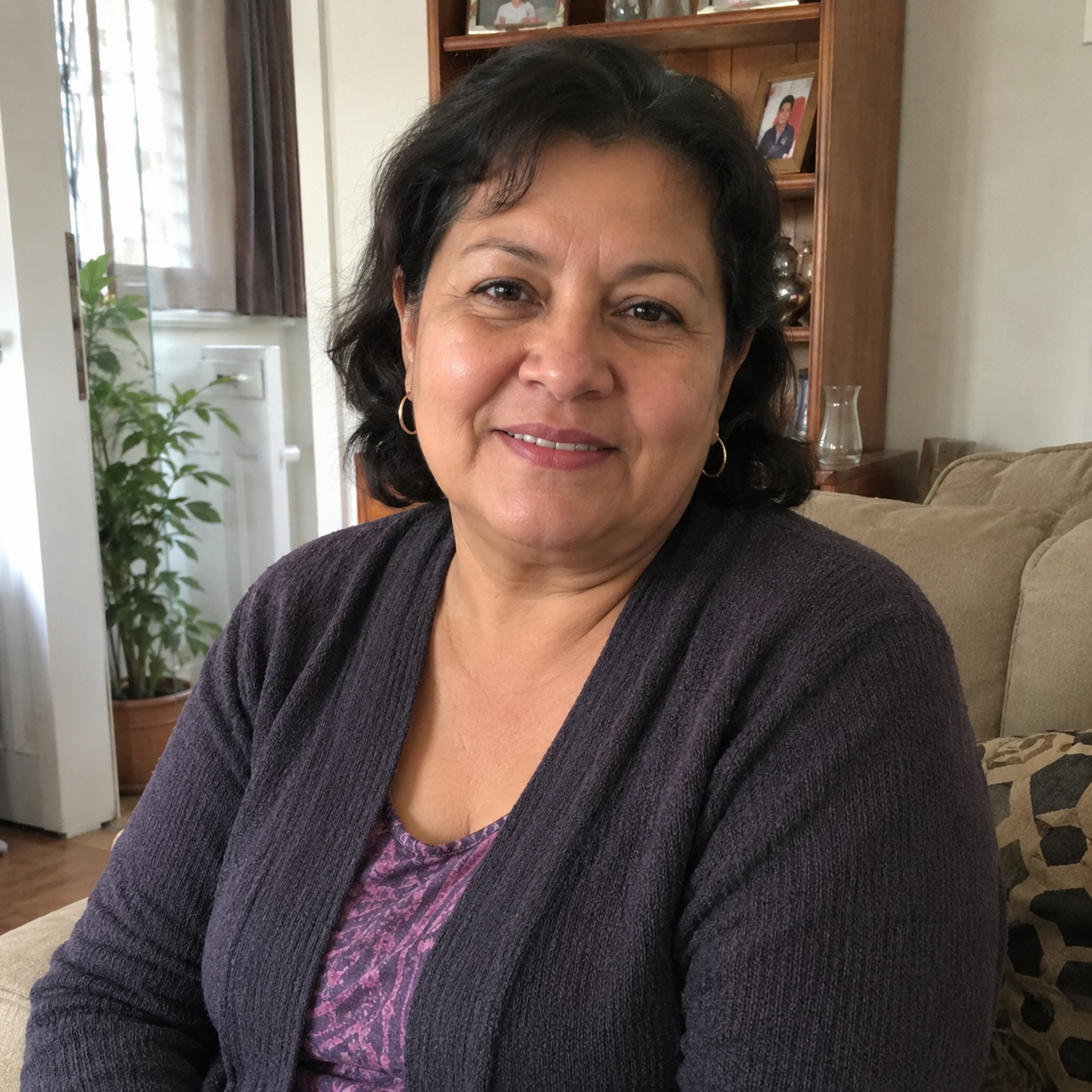
Last night, the first night of National Diabetes Month, the evening news ran a segment about it, and Rosa did what a lot of women did. She picked up her phone and typed can you reverse prediabetes in 3 months, because she wanted to know if the date on the calendar was a finish line or a trap.
Can you reverse prediabetes in 3 months?
For many people, the number can move meaningfully in three months. Here's why, and what that does and doesn't mean:
- The A1c is a three-month number. It reflects your average blood sugar over roughly the last two to three months, because that's about how long a red blood cell lives. So a test in February mostly measures November through January. That's the good news and the scary news at the same time: the holidays are inside that window.
- Prediabetes is a range, not a single number: an A1c of 5.7 to 6.4, or a fasting number of 100 to 125. "Reversing" it usually means getting back under 5.7 and under 100.
- The big U.S. prevention study (the Diabetes Prevention Program) found that losing about 5% to 7% of body weight and getting around 150 minutes of activity a week cut the risk of developing type 2 by 58%, and by 71% in people over 60.
- The closer you are to 5.7, the better the odds. A 6.1 has a longer walk than a 5.8.
- "Reversed" can come back. Doctors talk about it as a direction, not a door that locks behind you.
So yes, three months can be enough for some people to see a real change on paper. Which is why Rosa's second question kept her up: why hadn't the last three months done anything?
Prediabetes deserves a doctor, not just a search bar. Call your doctor promptly for constant thirst, frequent urination, blurry vision, numbness in the feet, or weight loss you're not trying for. Those can mean the number has already crossed the line.
Rosa had already started. The meter didn't care.
She didn't wait for February. In August she swapped the morning pan dulce for eggs. She cut the Coke at the salon down to one. She started parking at the far end of the lot at the grocery store. She bought a meter at Walgreens and checked her fasting number on Sundays.
The Sunday numbers went 118, 114, 119, 116. "I'm doing the pamphlet," she told her sister on the phone. "The pamphlet isn't doing me."
And there was the part nobody had warned her about. She was eating less than she had in years and she was hungry all the time. The 3 p.m. pull toward the candy dish at the front desk. The 9 p.m. stand in front of the open fridge, not even sure what she was looking for. Every one of her changes was good advice. Every one of them can help. But none of them answered why her body was acting like it hadn't eaten, two hours after a real meal.
Three months of changes and the fasting number won't drop under 115?See what a physician says the pamphlet leaves out →The signal that decides whether the effort shows up
Here's what most prediabetes handouts skip. After you eat, your gut sends out a natural messenger that does two jobs at once: it tells your brain "you've had enough," and it helps the insulin you already make actually get used. When that signal fades, which can start years before anybody says the word diabetes, two things go wrong together. You stay hungry when you've eaten enough, and your blood sugar stays high when you're eating right.
That's why so many women in Rosa's chair feel like they're pushing a car with the parking brake on. The food changes are real. The walking is real. But if the signal underneath is weak, the body keeps asking for more and keeps the sugar in the blood instead of using it.
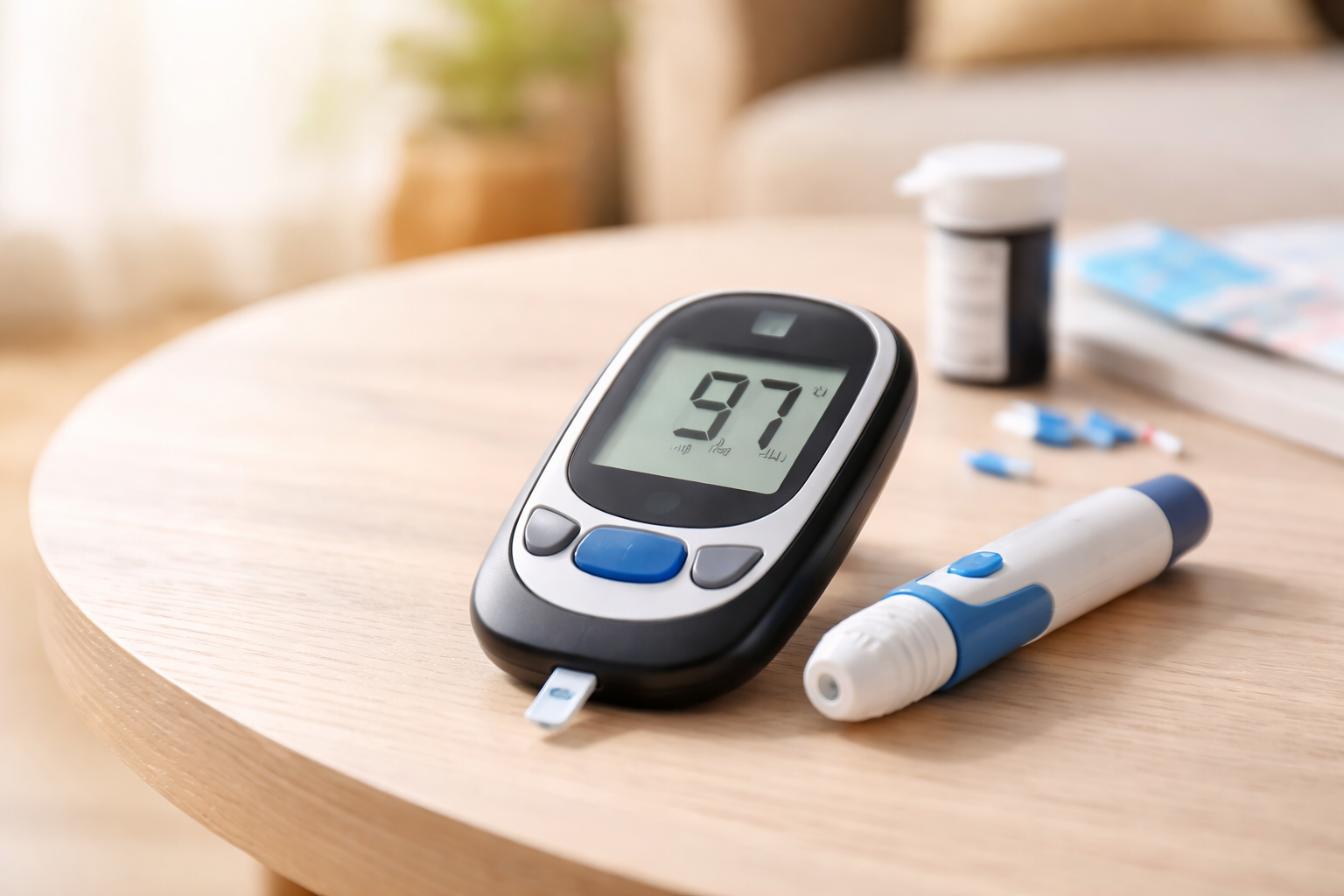
A physician who practiced for three decades, and who watched his own wife's numbers keep climbing while she followed every instruction her doctors gave her, explains in a free presentation how he stopped asking how to replace what her body wasn't doing and started asking what was stopping it from doing it on its own. He walks through a study of identical twins, same genes, same dinner table, where only one developed type 2, and the short morning routine that came out of it, built around an oil mentioned in Scripture more than thirty times. Which kind of oil, what goes with it, and why the hour matters, he explains himself. It is not the honey-and-cinnamon recipe going around Facebook.
Hungry two hours after a real meal? That may be the clueWatch the morning routine he explains →What Rosa's customer sent her
The link came from the chair. Marisol, 66, a retired postal clerk who has had her hair done by Rosa every other Thursday since 2009, heard the word prediabetes and pulled out her phone mid-blowout. "Mine was 6.0 two years ago," she said. "My doctor called it fine at my last checkup. Watch this tonight, write your questions down, and take them to your doctor. That's what I did."
Rosa watched it after closing, with the pamphlet open next to her. At the end, the presentation introduces Glyco Barrier, a daily formula built around supporting that natural signal. She called her doctor's office Monday, read her questions to the nurse, and was told to keep the eggs, keep the walking, check her number twice a week instead of once, and bring the bottle to February's appointment. She started that Tuesday.

February is still three months away. What Rosa noticed first was the part she'd given up on: the 9 p.m. fridge visits got shorter, and then some nights they didn't happen. Her last two Sunday numbers started with 10 instead of 11. Results vary from person to person, and Rosa writes every number in the back of her appointment book for her doctor.
Glyco Barrier is not a replacement for your doctor, your checkups or any medicine you've been prescribed. Ask your doctor before starting it if you take anything that lowers blood sugar, have kidney or liver problems, or are pregnant or nursing. The order page shows a 60-day satisfaction promise from the date of purchase.
Your next A1c is measuring November, December and JanuarySee the routine before the holidays fill that window →So, can you reverse prediabetes in 3 months?
Often the number can move a lot in three months, because the A1c only looks back about that far. Losing 5% to 7% of your weight and moving about 150 minutes a week are the steps with the strongest evidence, and they matter for your heart too. But if you're doing the changes and the fasting number won't budge, or you're hungrier than ever while you eat less, ask your doctor what else is going on. The effort only shows up on paper when the body can use it.
P.S. Rosa crossed out the date on the August pamphlet and wrote "Feb: under 5.7" next to it in eyeliner pencil, because that's what was on the counter. If you're the one with a date circled and three months that already feel like they're going nowhere, here's the presentation Marisol sent from the chair. And if you're past the prediabetes stage and wondering about the scale, read what Gail learned after 22 pounds.