Blood Sugar · Type 2 · Weight & A1c
How Much Weight Do You Need to Lose to Reverse Type 2 Diabetes? Gail Lost 22 Pounds Since Easter. Her A1c Went From 7.8 to 7.6
What the research says about weight loss and type 2 remission, why the number on the scale and the number on the lab report don't always move together, and the overlooked signal a physician says sits underneath both.
By the Blood Sugar Balance editorial desk · October 2026 · 7 min read
Gail, 64, ran the front desk of a dental office in Fort Wayne for twenty-seven years. She is a planner. When her doctor told her at Easter that her A1c was 7.8 and "losing some weight could make a real difference," she bought a kitchen scale, a food journal and a pedometer the same week. By the end of October she had lost 22 pounds. Her friends noticed. Her jeans noticed. And her new A1c, which landed on her patient portal Wednesday, said 7.6.

That night she typed how much weight do you need to lose to reverse type 2 diabetes into her phone, because she wanted a number. A finish line. Something she could write in the journal.
How much weight do you need to lose to reverse type 2 diabetes?
The honest answer is that there's no single number, but research gives a rough picture:
- About 5% of body weight (10 pounds for a 200-pound person) tends to improve blood sugar, blood pressure and cholesterol for many people.
- Around 10% or more is the range where some studies have seen people with type 2 reach remission, meaning normal-range A1c without diabetes medicine, at least for a while.
- Larger losses, 15% or more, showed the highest remission rates in the best-known diet trials, mostly in people diagnosed within the last six years.
- Time matters. The longer someone has had type 2, the harder remission tends to be, even with the same weight loss.
- "Remission," not "cure." Doctors use that word because blood sugar can climb again, especially if weight comes back.
So Gail's 22 pounds, a little over 11% of where she started, is right in the range where good things can happen. Which is exactly why the 7.6 hurt.
Don't change your medicine on your own because of weight loss or a lab number. If you're losing weight and taking insulin or a pill that lowers blood sugar, ask your doctor about lows. And call right away for readings over 300, confusion, fast breathing, or unexplained weight loss you're not trying for.
Gail lost the weight. The number barely moved.
It wasn't for lack of trying. Gail weighed her chicken. She walked 7,000 steps a day, rain or shine, around the parking lot at the mall when it rained. She stopped the afternoon Pepsi. Every one of those things is good advice, and every one of them helped her blood pressure and her knees.
But the A1c went 7.8, 7.7, 7.6. "I'm losing weight at the rate the book promised," she said. "The diabetes isn't reading the book."
What frustrated her most was the hunger. She was eating less than she had in thirty years, and she was hungry all the time. The 3 p.m. pull toward the candy jar at the office. The 9 p.m. standoff with the pantry. "If I'm losing weight, why is my body acting like it's starving?"
Lost the weight and your A1c still won't follow?See what a physician says the scale can't fix →The signal the scale doesn't measure
Here's the piece most weight-loss plans skip. After you eat, your gut releases a natural messenger that does two jobs at once. It tells your brain "you're full," and it helps the insulin you already make actually get used. When that signal fades, which can happen with age and with years of high blood sugar, two things go wrong together: you stay hungry even when you've eaten enough, and your blood sugar stays high even when you're eating right and losing weight.
That was Gail, exactly. Twenty-two pounds lighter, hungrier than ever, and an A1c that wouldn't budge. Losing weight helps a lot of things. It doesn't, by itself, bring that signal back.
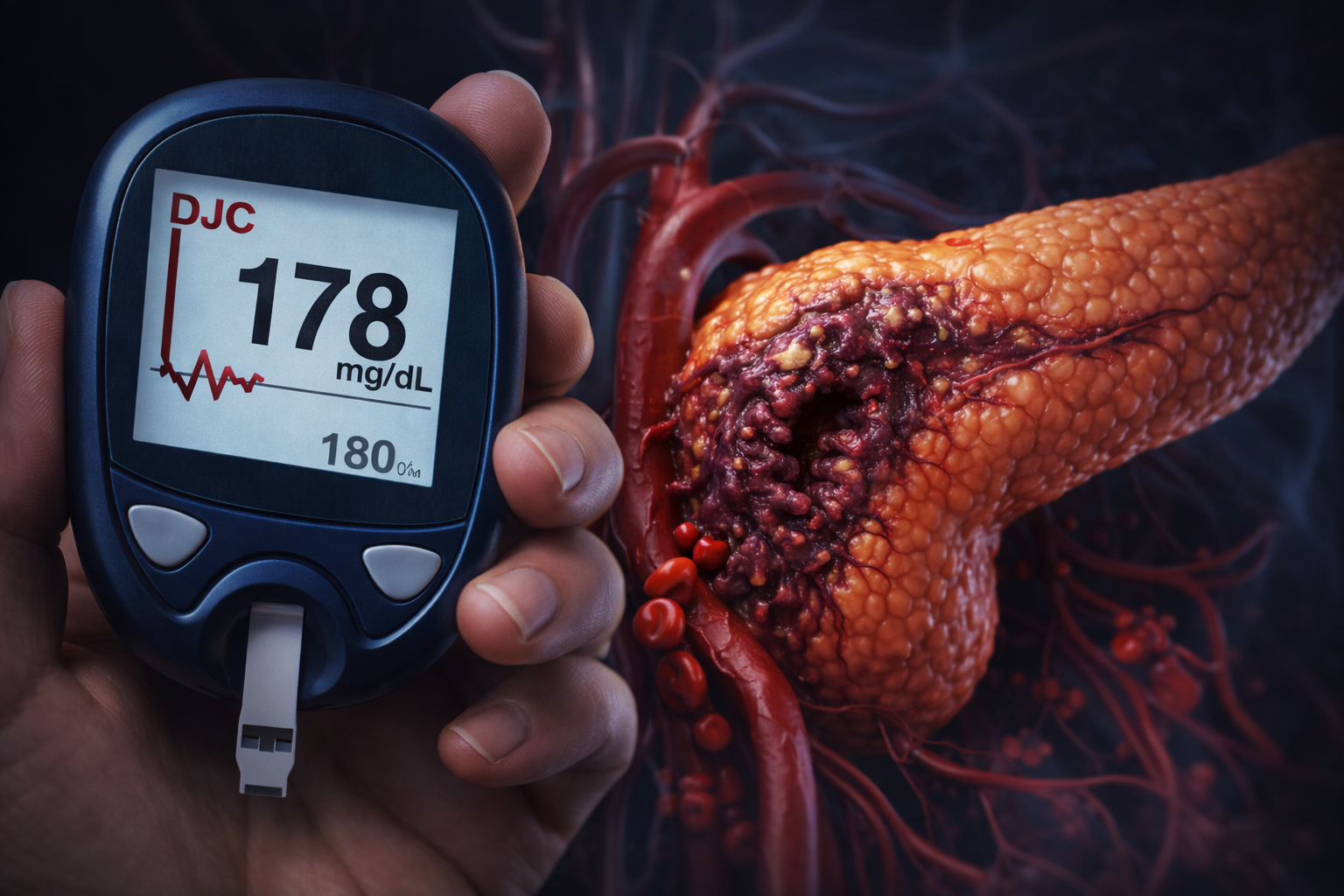
A physician who spent three decades in practice, and who watched his own wife's A1c keep climbing while she followed every instruction she was given, explains in a free presentation how he stopped asking how to replace what her body wasn't doing and started asking what was keeping her body from doing it on its own. The short home routine he built around that question uses an ingredient mentioned in Scripture more than thirty times. Which one, which kind, and what time of morning he uses it, he walks through himself, and it isn't the honey-and-cinnamon recipe everybody's aunt has been forwarding.
Hungry all day while the scale goes down? That may be the clueWatch the short morning routine he explains →What Gail added to the food journal
Gail's friend Bernice, 69, a retired church organist in Muncie, was the one she called Thursday morning. Bernice had lost thirty pounds after her own diagnosis five years ago and watched her A1c sit at 7-something for two years afterward. "I'm not your doctor," Bernice said. "Watch this, write down your questions, and take them to her." She texted the link.
Gail watched it at the kitchen table with the journal open, taking notes like she used to take down insurance codes. At the end, the presentation introduces Glyco Barrier, a daily formula built around supporting that natural signal. She took her questions to her doctor, who told her to keep the metformin, keep walking, keep the weight off, and recheck in three months. She started the next morning.

Her next A1c isn't until January. What she noticed first was the part she'd stopped believing could change: the 9 p.m. pull got quieter, and two mornings this week her fasting number started with a 1-1 instead of a 1-4. Results vary from person to person, and Gail still writes every number down for her doctor.
Glyco Barrier is not a replacement for your medication, your doctor or your checkups. Ask your doctor before starting it if you take insulin or any blood-sugar-lowering medicine, have kidney or liver problems, or are pregnant or nursing. The order page shows a 60-day satisfaction promise from the date of purchase.
You've already done the hard part. Don't let January's number undo itSee the routine Bernice texted Gail →So, how much weight do you need to lose?
For many people with type 2, losing 5% helps and losing 10% to 15% gives the best chance at remission, especially early on. Keep going; it matters for your heart, your joints and your blood pressure. But if you've lost the weight and the A1c won't follow, or you're hungrier than ever while the scale goes down, ask your doctor about what else is going on, because the scale is only measuring one part of the story.
P.S. Gail wrote "22 lbs" on the first page of a new food journal and drew a box next to it for January's A1c. She says she's leaving it empty until she has a number she's proud of. If you're the one staring at a lab result that didn't care how hard you worked, here's the presentation Bernice sent. And if your last result had a red flag next to it, read what Dolores learned about her 8.9.