Blood Sugar · Type 2 · Herbs
Herbs to Lower A1c? Gloria Filled a Whole Kitchen Shelf: Cinnamon Capsules, Fenugreek Tea, Bitter Melon, Berberine. Her A1c Went From 7.9 to 7.6 and Stopped. Here's What the Shelf Was Missing
Which herbs to lower A1c have real research behind them, how much they usually move the number, why stacking more of them stops helping, and the overlooked factor a physician says the spice shelf never reaches.
By the Blood Sugar Balance editorial desk · October 2026 · 7 min read
Gloria, 61, a retired school secretary in Pueblo, Colorado, cleared off the top shelf of her kitchen cabinet last winter, the one where the good china used to go. By spring it held seven bottles. Ceylon cinnamon capsules. Fenugreek seed tea. Bitter melon. Ginger root. Berberine. A jar of black seed oil her neighbor swore by. A bag of gymnema tea from a health food store in Colorado Springs. She'd searched herbs to lower A1c so many times her phone started finishing the sentence for her.

Her A1c had been 7.9 when she started. Three months later it was 7.6. She was thrilled and added two more bottles. Three months after that, 7.6. Then 7.7. The shelf kept growing. The number didn't move.
"I kept thinking I just hadn't found the right one yet," she told her son on the phone. "Like there was one more herb out there with my name on it."
If your own cabinet looks like Gloria's, this is for you. Some of those herbs are worth knowing about. But there's a reason a whole shelf can stall, and it isn't that you picked the wrong bottle.
Herbs to lower A1c: what the research actually shows
Researchers have tested a lot of the kitchen-cabinet favorites in people with type 2. Here's the honest summary, without the hype on the bottles:
- Cinnamon. The most searched, the most mixed. Some trials show better fasting blood sugar; fewer show a change in A1c. Ceylon is the kind people choose because it's lower in coumarin, a compound in the common cassia type that can bother the liver in big amounts.
- Ginger and black seed (black cumin). In reviews that pooled spice studies in type 2 diabetes, these two were among the few that improved A1c, modestly.
- Fenugreek. The seeds are full of fiber that slows how fast sugar gets into the blood after a meal. Small trials look promising.
- Berberine. The strongest numbers of the group in some studies, and the most likely to upset your stomach or interact with medicines.
- Gymnema. A traditional Indian herb long used for healthy glucose metabolism and for quieting the pull toward sweets.
Notice the words: modest, small, mixed. Even when an herb works, it usually moves A1c by a fraction of a point, which is about what Gloria got. And here's the part the bottles don't tell you: stacking six herbs that all work on roughly the same thing, slowing sugar from a meal, doesn't add up six times. It's like putting six locks on the same door while the back window is open.
Before you add another bottle
If you take metformin, a sulfonylurea or insulin, several of these herbs can push your sugar lower than you expect, and berberine and bitter melon in particular can stack with your medicine. Bring the actual bottles, not a list, to your next appointment. Gloria did, in a grocery bag. Her doctor took three of them off the shelf on the spot.
Seven bottles, one stuck numberHear a physician explain what the spice shelf can't reach →Why the shelf stalls: the part that isn't about the meal
Most of what's on Gloria's shelf works at the plate: slowing sugar from food, blunting the spike after lunch. That matters. But a lot of people with type 2 are dealing with something further back in the line. Their bodies stop using their own insulin well, even when meals are good and the pills are on time, and the "I'm full, put the sugar away now" message that's supposed to follow a meal fades out early. That's the part that keeps the number up overnight and between meals, the hours no herb at lunch ever touches.
Gloria's son Marcus, who works in a hospital pharmacy in Denver, didn't send her a new herb. He sent her a link and a text: "Mom, before you buy bottle number eight, watch this."
It was a presentation from a physician who spent decades teaching patients the standard advice, until someone in his own family followed every instruction and her numbers still climbed. In it he describes an overlooked factor in how the body handles insulin, something he says ordinary checkups aren't built to catch, and a short morning ritual he now makes at home with olive oil and a couple of ordinary kitchen ingredients. Olive oil, he points out, is one of the oldest foods in the world, mentioned again and again in Scripture.
Gloria had olive oil in the pantry and cinnamon on the shelf. According to him, that's exactly the trap: the kind most people buy, what they mix it with, and when they take it are the whole difference, and he explains why it isn't the honey-and-cinnamon recipe floating around online. We won't spoil it. Gloria said it was the first time in a year somebody explained why she wasn't failing.
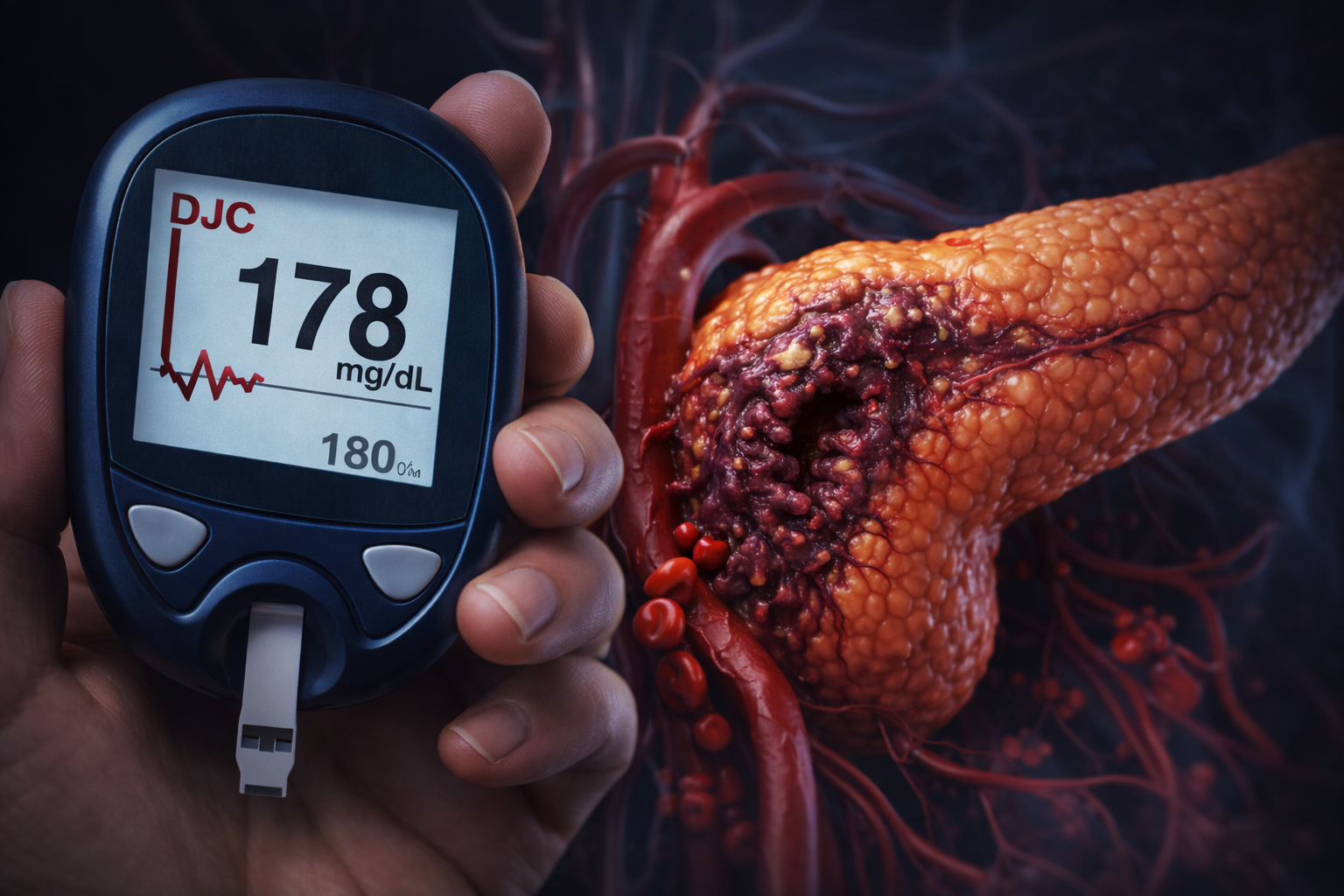
What took the place of the shelf
At the end of the presentation, the physician talks about a supplement made to support the body's own blood sugar balance through the whole day, including the hours after the meal is long gone. Gloria now has two bottles on that top shelf instead of nine: her Ceylon cinnamon, because she likes it, and Glyco Barrier.
Gloria ran a school front office for twenty-eight years; she reads everything twice. She took the label to her pharmacist before she opened it. He said nothing on it worried him alongside her metformin, as long as she kept checking and told her doctor.
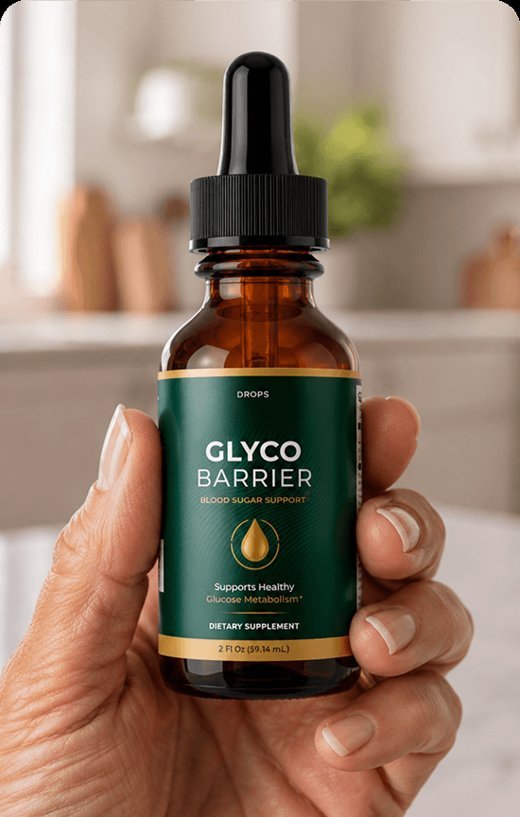
What she found on the label
- Chromium picolinate. A mineral studied for how well the body responds to its own insulin. "That's the back window," she said.
- Gymnema sylvestre leaf. The same herb as her tea bags, in a measured amount instead of a guess.
- Green tea leaf. Antioxidants and gentle metabolic support.
- Coleus forskohlii root. Supports how the body uses stored fuel.
- Maca root. Traditionally used for steadier afternoon energy.
What she noticed, and when
- Weeks 1 and 2. Drops morning and evening, same metformin, same meals. Nothing she'd bet on.
- Weeks 3 to 6. Her fasting readings, parked in the 150s, started landing in the 130s most mornings.
- Month 2. She stopped buying a new bottle every time she read about one.
- Month 3. Her recheck is in January. It's circled on the calendar by the phone.
Why does it take that long? Because A1c is built from about three months of blood, and anything aimed at how the body handles sugar between meals needs weeks before the lab can see it. Individual results vary, and some people will still need more help from their doctor. That isn't failure either.
It may suit you if you have type 2 or prediabetes, you've already tried the herbs and the diet, and the number has stalled. Skip it or ask your doctor first if you have type 1, take insulin or another glucose-lowering medicine, have kidney or liver problems, or you're pregnant or nursing. The order page shows a 60-day satisfaction promise from the date of purchase.
Before bottle number eightWatch what Marcus sent his mother →P.S. Gloria gave the bitter melon and the black seed oil to her neighbor, who was thrilled. She still drinks fenugreek tea on cold nights because she likes the smell. If you're standing in front of your own crowded cabinet tonight wondering which herb you haven't tried yet, watch the presentation first.
Continue reading A Morning Routine to Lower A1c? Ruth Built the Perfect One Why two perfect hours couldn't fix a twenty-four-hour number.Sources and further reading
Systematic reviews of culinary spices (cinnamon, ginger, black cumin) and glycemic control in type 2 diabetes, summarized by The Hospitalist.
American Diabetes Association. Standards of Care in Diabetes, 2026.