Blood Sugar · Home Remedies · Type 2
Home Remedies for Type 2 Diabetes: Harold Had Cinnamon, Vinegar and Bitter Melon Tea Lined Up on the Counter. His A1c Moved Two-Tenths in a Year
Which home remedies for type 2 diabetes have something behind them, how much they can realistically do, and the overlooked factor a physician says decides whether any kitchen routine reaches your A1c at all.
By the Blood Sugar Balance editorial desk · October 2026 · 7 min read
Harold, 67, repaired lawn mowers out of his garage in Muncie, Indiana for thirty years, and he approaches his blood sugar the same way he approached a carburetor: take it apart, try every fix, see what works. When his doctor told him two years ago that his A1c was 7.6 and he had type 2, Harold went home and typed home remedies for type 2 diabetes into the search bar before he'd even filled the metformin prescription.

By last spring his kitchen counter looked like a health food store. Ceylon cinnamon in a shaker by the coffee maker. A bottle of apple cider vinegar he took a spoonful of before supper, wincing every time. Bitter melon tea his neighbor brought back from her daughter's. Fenugreek seeds soaking in a jar overnight. A walk around the block after every meal, rain or shine.
His A1c last month: 7.4. Two-tenths of a point, for a year of doing everything the internet told him. "I fixed engines for a living," he told his daughter. "If I'd charged people for results like that, I'd have been out of business in a week."
The home remedies for type 2 diabetes that have something behind them
Harold wasn't wrong to try them. Several of the most popular home remedies have at least some research suggesting a modest effect, and none of them is a bad habit on its own. Here's the honest picture:
- A walk after meals. The best-supported one on the list. Even 10 to 15 minutes helps working muscles pull sugar out of the blood after you eat.
- Cinnamon. Some studies show small drops in fasting glucose; others show nothing. Ceylon is the kind to choose if you use it daily.
- Apple cider vinegar. A spoonful in water before a starchy meal may soften the spike after it. Hard on teeth and stomachs; always diluted.
- Fenugreek and bitter melon. Traditional, with small studies behind them. Quality varies a lot from bag to bag.
- Fiber first. Eating the vegetables and protein before the bread or rice can flatten the after-meal curve.
Before you add anything: if you take metformin, insulin or another glucose-lowering medicine, some of these can add to its effect and push you too low. Tell your doctor what's on your counter. And never stop or swap a prescription for a home remedy on your own.
Why they helped a little and then stopped
Here's what nobody told Harold. Almost every remedy on his counter works on the same part of the problem: the sugar coming in after a meal. Slow it down, spread it out, burn some of it off with a walk. That's real, and it's why his after-supper readings looked better some nights.
But your A1c isn't a picture of your suppers. It's an average of roughly three months of blood, every hour of every day, including the long stretch from midnight to breakfast when you aren't eating anything at all. If your body has gotten worse at answering its own insulin, the sugar drifts up in those hours no matter what was in the shaker. That's why so many people see their meal readings improve while the A1c barely budges.
Doing every home remedy and the A1c still won't move?See the factor a physician says the counter remedies never reach →"I'm already doing all the right things." That can help, but…
When Harold's daughter Beth came over in October, he walked her through the whole shelf like a show-and-tell. She listened, and then she asked him one question: "Dad, which of these fixes how your body uses insulin overnight?" He opened his mouth and closed it again.
Beth is a dental hygienist, not a doctor, but one of her patients, a retired schoolteacher, had told her about a presentation she'd watched after her own A1c stalled for two years. A physician who taught at a major medical school for decades, and who says he gave every patient the same advice, cinnamon included, until someone in his own family stopped responding to any of it.
The overlooked factor, and the morning routine
In the presentation, the physician describes an often-overlooked factor that may affect how well the body responds to its own insulin, something a standard checklist of diet, pills and walking was never designed to look at. He presents it as one reason the number can drift even in people who follow every rule.
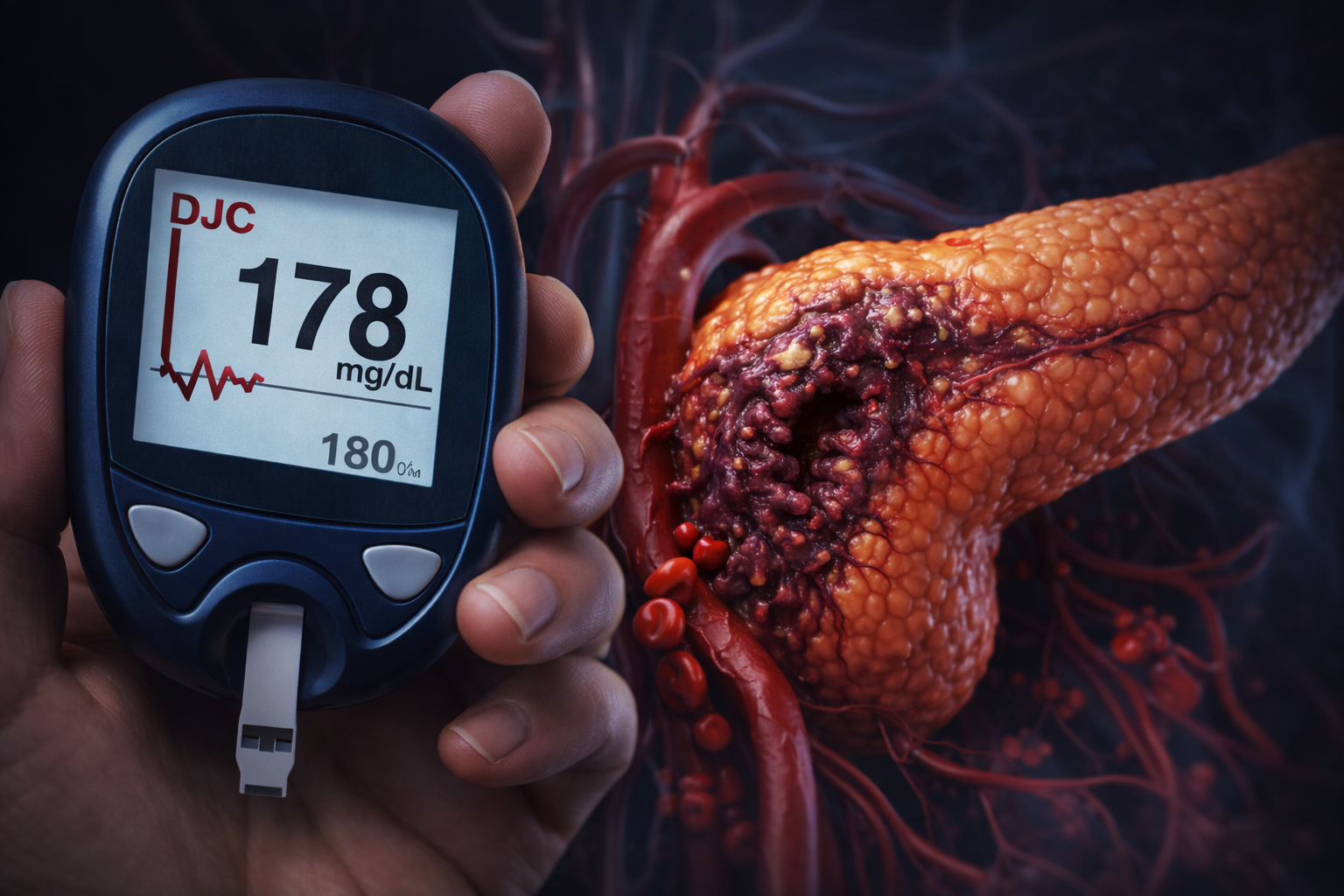
Then he walks through a simple routine done at home in the morning, built around an oil most of us already have in the pantry. Harold laughed when he heard that part: "Olive oil? I put it on my eggs." But the physician is specific about which kind, what goes with it, and the time of day, and he explains why those details are where most people go wrong. That's the part we won't spoil here, because it deserves to be heard the way he explains it, start to finish.
Harold watched it twice in the garage on his phone. Then he took the cinnamon shaker off the counter and put it in the cupboard. "Not because it's bad," he said. "Because it was never the part that was broken."
What Harold keeps by the coffee maker now
At the end of the presentation, the physician talks about a supplement made to support the body's own blood sugar balance through the whole day, not only at mealtimes. It's called Glyco Barrier. Harold doesn't take anything he can't read, so Beth read him the label while he held the bottle up to the window:
- Chromium picolinate. A mineral studied for how well the body responds to its own insulin. "That one's the overnight part," Beth said.
- Gymnema sylvestre leaf. A traditional herb for healthy glucose metabolism and for quieting the pull toward something sweet after supper.
- Green tea leaf. Antioxidants and gentle metabolic support.
- Coleus forskohlii root. Supports how the body uses stored fuel.
- Maca root. Traditionally used for steadier energy.
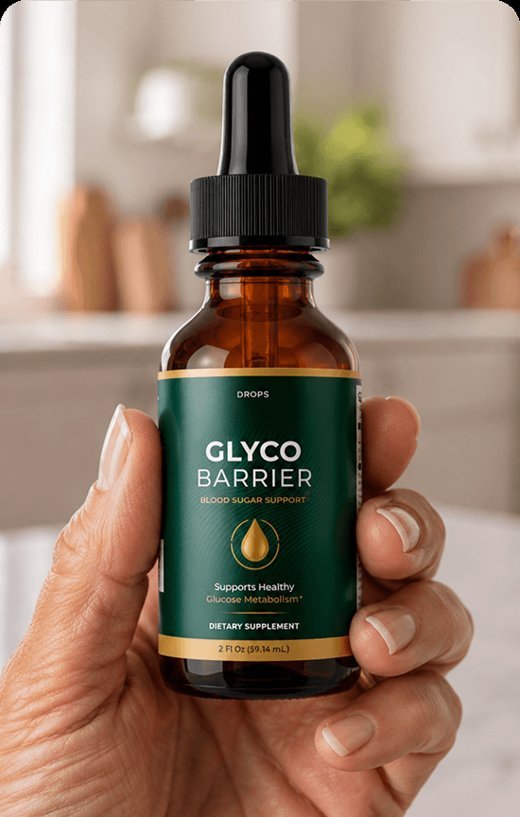
He asked his doctor first, because of the metformin, and his doctor told him to keep the walks, keep his prescription, and check his readings more often in the first few weeks.
Weeks 1 and 2: nothing he'd swear to. Weeks 3 to 6: his fasting readings started landing lower than they had all summer. Month 2: fewer afternoon naps in the recliner. His recheck is in January, and he's already told the whole family the number he's aiming for. Results vary from person to person, and some people will still need more help from their doctor. That isn't failure.
It may suit you if you have prediabetes or type 2, you've already changed how you eat, and the number has stalled. Skip it or ask your doctor first if you have type 1, take insulin or another glucose-lowering medicine, have kidney or liver problems, or are pregnant or nursing. The order page shows a 60-day satisfaction promise from the date of purchase.
Before you buy one more remedy for the counterWatch the morning routine Harold swapped the cinnamon for →P.S. The vinegar is still in Harold's fridge. He uses it on coleslaw now. If your own counter is lined with remedies and your A1c is still sitting where it was last year, see what Beth's patient sent her before you order the next one.
Continue reading Herbs to Lower A1c: What the Shelf Can and Can't Do The herbs people try first, what's behind them, and where they stall.Sources and further reading
American Diabetes Association. Standards of Care in Diabetes, 2026: glycemic goals; lifestyle and physical activity; supplements.
NIH National Center for Complementary and Integrative Health. Diabetes and dietary supplements (accessed October 2026).
CDC. Managing blood sugar (accessed October 2026).