Blood Sugar · A1c · Type 2 & Prediabetes
What Is a Dangerous Level of A1c? Dolores Saw "8.9" on Her Patient Portal at 11 p.m. and Didn't Sleep Until Morning
What A1c numbers mean, the level where doctors start to worry, why "dangerous" is less about one number than about the direction it's moving, and the overlooked signal a physician says sits underneath a climbing A1c.
By the Blood Sugar Balance editorial desk · October 2026 · 7 min read
Dolores, 66, was a court stenographer in Tulsa for twenty-nine years. She typed what other people said, word for word, without flinching. But at eleven o'clock on a Tuesday night this month, her phone buzzed with "New test result available," she opened the patient portal in bed, and she saw 8.9 next to "Hemoglobin A1c." There was a little red flag beside it. Her appointment to go over it wasn't for nine days.
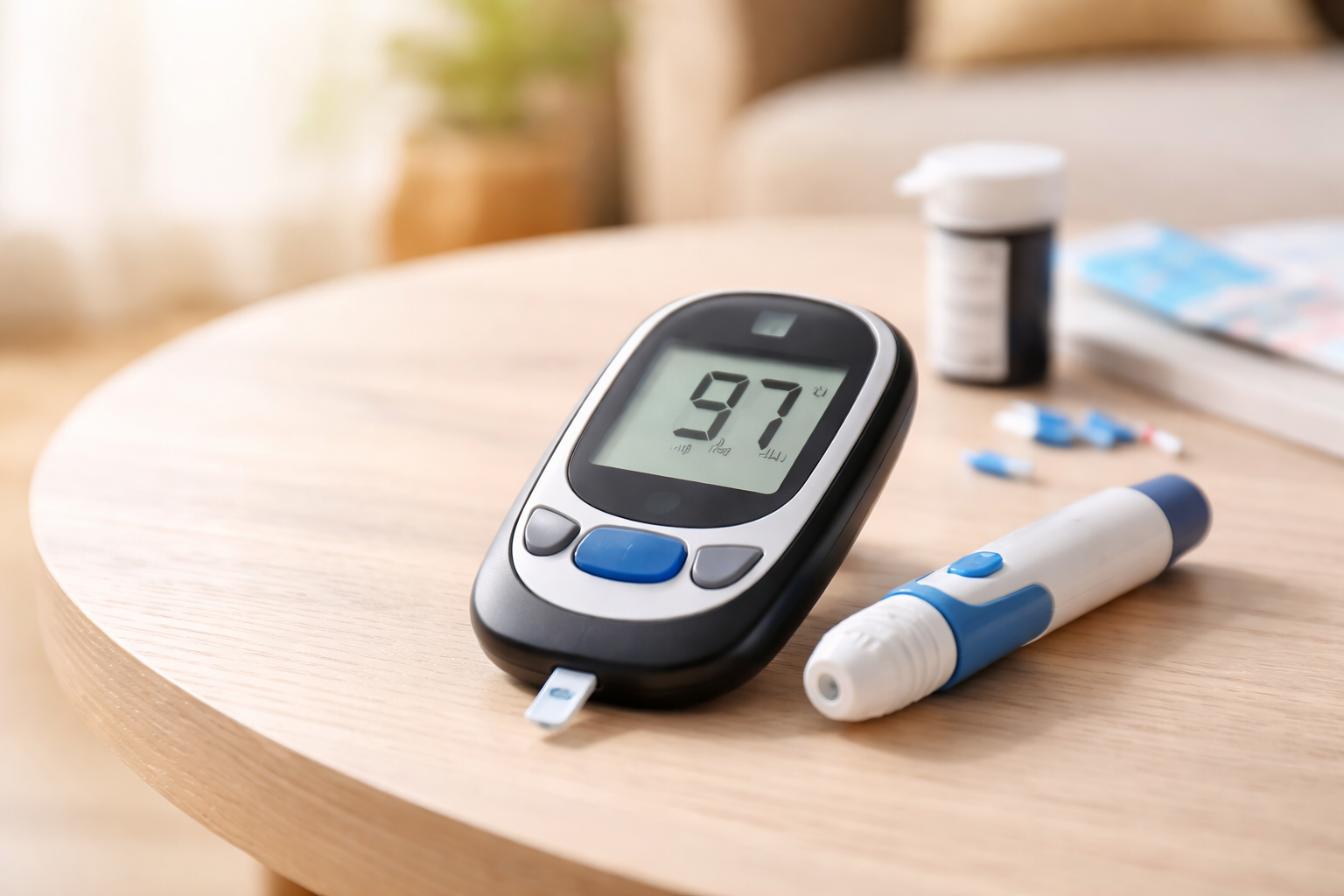
So she did what most of us do at that hour. She typed what is a dangerous level of A1c into the search bar and read until the sky outside her window turned gray.
What is a dangerous level of A1c?
Your A1c is roughly your average blood sugar over the last two to three months. The general ranges most labs and doctors use:
- Below 5.7%: normal.
- 5.7% to 6.4%: prediabetes.
- 6.5% or higher: diabetes range.
- Around 7% or lower: a common target for many adults with type 2, though your doctor may set a different goal for you.
- Above 8% to 9%: the range where most doctors start talking about changing the plan, because the risk of damage to the eyes, kidneys, nerves and heart climbs as the number stays high.
- 10% and above: considered very high, and often a sign blood sugar is running high most of the day and night.
Here's the part that kept Dolores up: there isn't one magic line where it flips from "fine" to "dangerous." What doctors watch most closely is the direction. A 7.2 that was 6.8 last spring tells a different story than a 7.2 that was 8.0. And the longer a number stays high, the more it matters.
Don't wait for the appointment if you have a reading over 300, or you feel confused, very thirsty, sick to your stomach, are breathing fast, or are losing weight without trying. Call your doctor or get care now. And never stop or change a medicine on your own because of a number on a portal.
Dolores had done everything. Her number went up anyway.
This is what made the 8.9 so hard to take. Dolores wasn't ignoring anything. She took her metformin every morning. She swapped white bread for whole wheat. She walked after supper with her neighbor. Her A1c had been 7.6 in the spring. "I did the homework," she said, "and my grade went down."
The standard advice really does help: medication taken as prescribed, walking after meals, fewer sweet drinks, more vegetables and protein, better sleep. It can bring a number down. But for a lot of careful people like Dolores, it only slows the climb, and nobody explains why.
Doing everything right and your A1c still went up?See what a physician says most plans leave out →The signal under the number
Most of the attention goes to the sugar itself. Less attention goes to the messenger that tells your body when you've eaten and when to put your own insulin to work. It's a natural hormone signal, released from the gut after meals, and it does two jobs at once: it tells the brain "you're full," and it helps the insulin you already make actually do its job. When that signal fades with age and years of high sugar, two things happen together. The cravings get louder, especially in the afternoon and late at night. And the number can climb even when you're eating right.
That was Dolores, exactly. The 9 p.m. standoff with the pantry. The morning readings that were high before she'd eaten a thing. "It never felt like willpower," she said. "It felt like my body didn't believe me when I told it I'd already eaten."
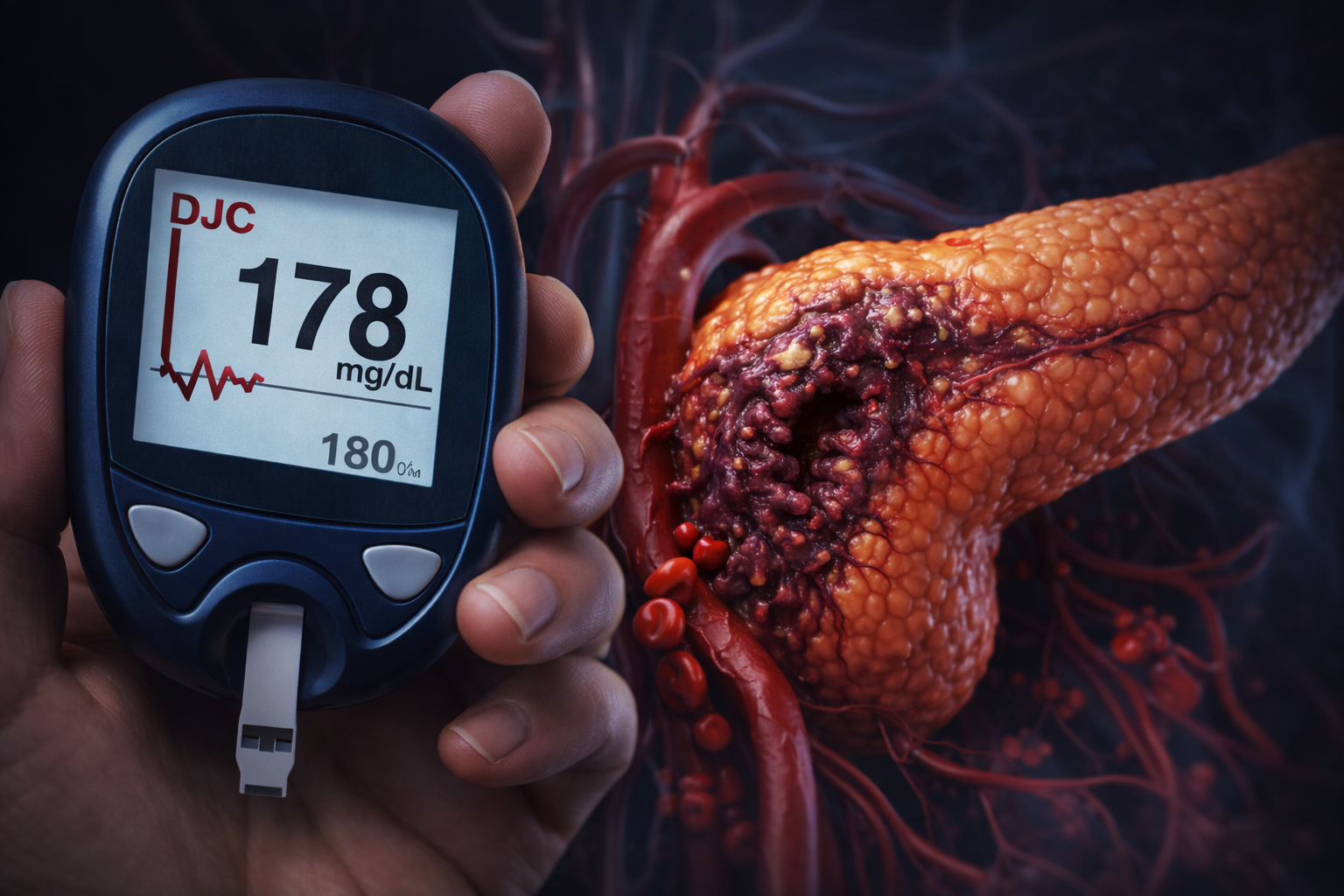
A physician who spent decades in practice, and who watched his own wife's A1c keep climbing while she followed every instruction, explains in a free presentation how he stopped asking how to replace what her body wasn't doing and started asking what was keeping it from doing it on its own. The short home routine he built around that question uses an ingredient that's mentioned in Scripture more than thirty times. Which one, which kind, and what time of day he uses it, he walks through himself.
The 9 p.m. pantry pull and the high morning number may have one rootWatch the short morning routine he explains →What's on Dolores's nightstand now
Dolores's cousin Irma, 70, a retired postal clerk in Wichita, was the one she called at seven the next morning. Irma had been through the same red flag two years ago. "I'm not going to tell you what to do," Irma said. "Watch this first, then call your doctor, then call me." She texted the link.
Dolores watched it with her coffee, all the way through, the way she used to listen to a deposition. At the end, the presentation introduces Glyco Barrier, a daily formula built around supporting that natural signal. She wrote down the questions she wanted to ask, took them to her appointment, and her doctor told her to keep her metformin, keep walking, and recheck in three months. She started the next morning.

She doesn't have her next A1c yet; that's in January. What she noticed in the first weeks was smaller and, she says, more convincing: the 9 p.m. pull toward the pantry got quieter, and her fasting readings stopped starting with a 1-8 most mornings. Results vary from person to person, and Dolores still checks every number with her doctor.
Glyco Barrier is not a replacement for your medication, your doctor or your checkups. Ask your doctor before starting it if you take insulin or any blood-sugar-lowering medicine, have kidney or liver problems, or are pregnant or nursing. The order page shows a 60-day satisfaction promise from the date of purchase.
Your next A1c is being written every night between supper and breakfastSee the routine before the next lab result buzzes →P.S. Dolores turned off the patient-portal alerts on her phone. Results still come; she just reads them at the kitchen table in daylight now, with Irma on speaker. If you're the one who saw a red flag next to your A1c this week and lay awake doing the math, watch what Irma texted her, and bring your questions to your doctor.
Continue reading How to Lower My A1c Before the Holidays Ninety days, four holidays, one January test.Sources and further reading
American Diabetes Association. Standards of Care in Diabetes, 2026: diagnosis and classification; glycemic goals.
CDC. All About Your A1C (accessed October 2026).