Blood Sugar · Type 2 · National Diabetes Month
Is There a Cure for Type 2 Diabetes? Darlene Typed "Diabetes Cure" at 2 a.m. Her Doctor Used a Different Word
Is there a cure for type 2 diabetes? What doctors mean by remission, who gets there and how, why it can come back, and the question about the pancreas that most "cure" headlines never ask.
By the Blood Sugar Balance editorial desk · November 2026 · 7 min read
Darlene, 63, has been the secretary at a Methodist church in Tulsa for twenty years. She types the bulletin, keeps the prayer list, and knows every family's business without ever repeating it. Eight years ago she was diagnosed with type 2. She has done what she was told: metformin twice a day, a second pill added in 2023, and a meter that lives in her purse next to the church keys.
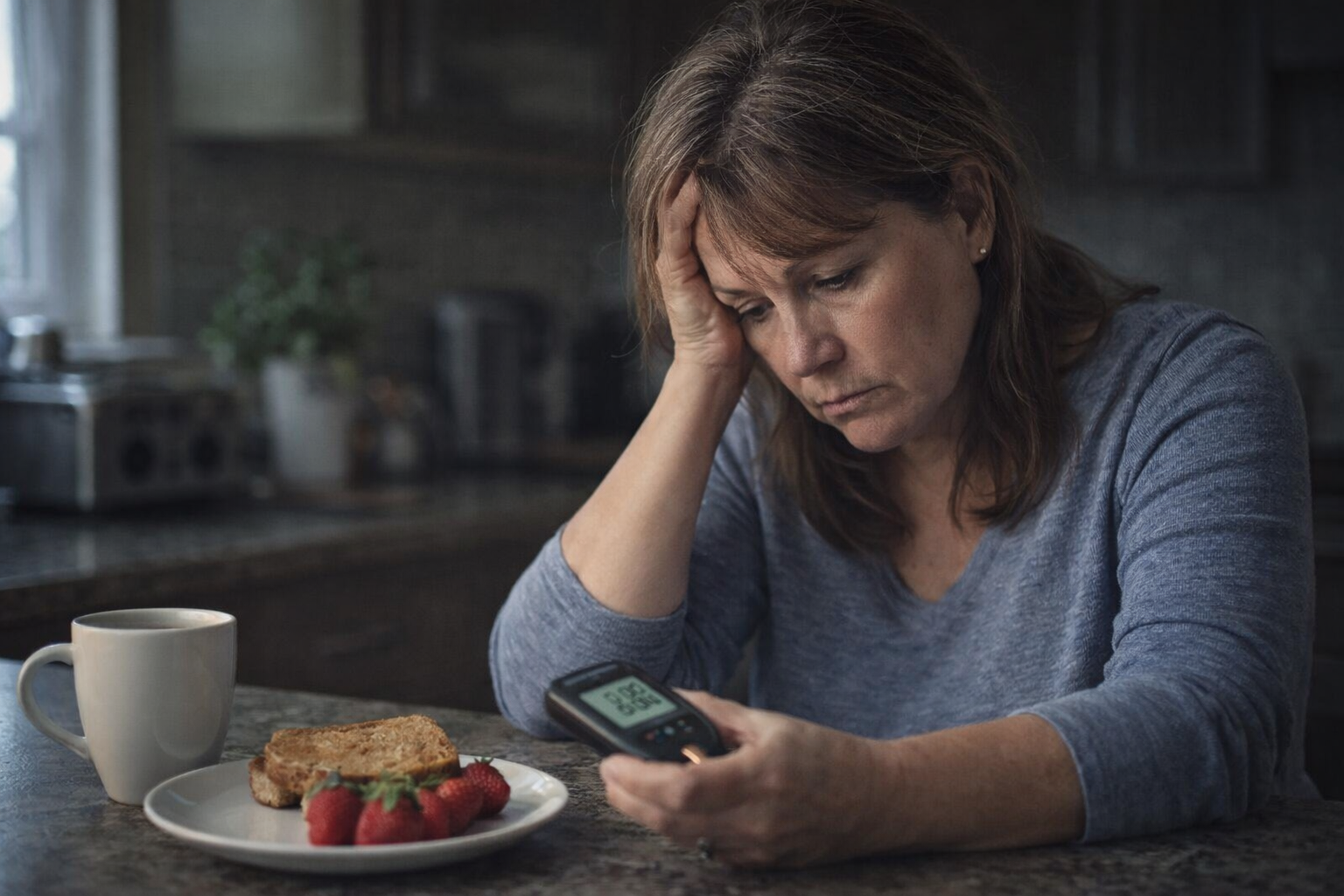
Two weeks ago her doctor mentioned a third medicine. That night, at two in the morning, she sat up in bed and typed two words into her phone: diabetes cure. "I know what the internet is," she told us. "I just wanted to know if anyone is allowed to say the word."
Is there a cure for type 2 diabetes? What doctors actually say
Doctors don't usually call it a cure, because the tendency can come back. The word they use is remission, and it's real. Here's what's known:
- What remission means. An A1c below 6.5 percent that stays there for at least three months after stopping diabetes medicine, under a doctor's care. Not "controlled with pills." Off them.
- Weight loss is the best-studied road. In a well-known British trial, about half of the people who followed a structured low-calorie program and lost a significant amount of weight were in remission a year later. The more weight lost, the higher the chances.
- Earlier is easier. People diagnosed within the last six years or so, and not yet on insulin, are the ones most likely to get there.
- Surgery is another road. Weight-loss surgery puts many people into remission, at least for years. It's a big decision with real risks.
- It can come back. Remission needs to be watched with an A1c at least once a year, because weight regain and time can bring the numbers back.
Never stop or cut back a diabetes medicine on your own. Remission is something you reach with your doctor, not around them.
Doing everything and still being told "one more pill"?See what a physician says the checklist leaves out →Darlene already tried the hard part. It can work, but…
Here's what made Darlene type at two in the morning. She has lost weight before. Twenty-two pounds in 2021, on a plan she found through the church wellness committee: no bread, no potatoes, walks around the parking lot at lunch. Her A1c dropped from 7.9 to 6.8. Her doctor shook her hand.
And then, slowly, over two years, both came back. Not because she gave up, she says, but because she was hungry. "I was hungry all the time. I'd eat a good lunch and by three o'clock I was in the fellowship hall looking for the leftover coffee cake. Eight years of that. You can only white-knuckle it so long." That's the part almost every reader who writes to us about remission mentions. The diet works while you can stand it.
So the real question isn't whether weight loss can help. It's why the body fights so hard to undo it.
The question about the pancreas
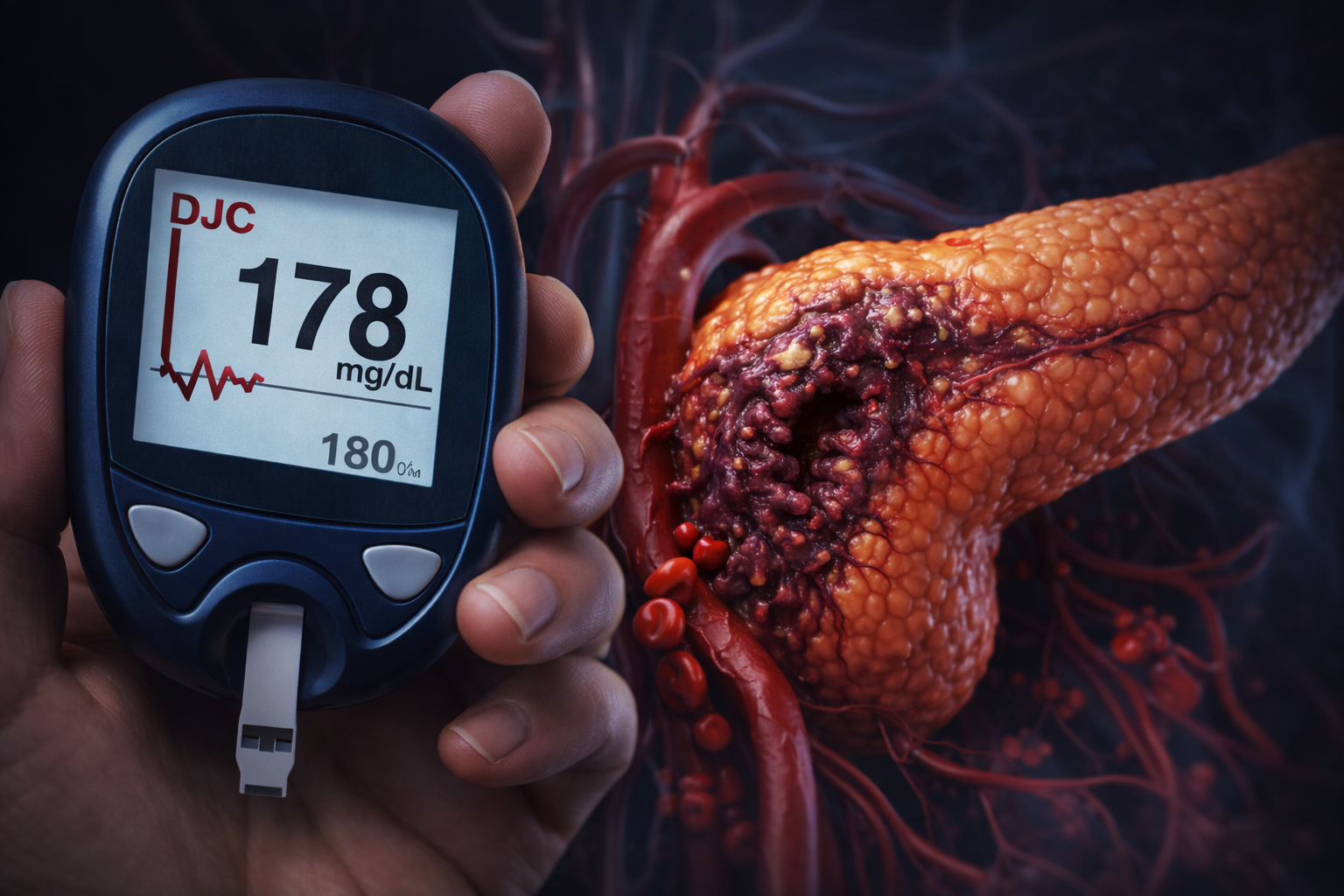
Most type 2 advice works on the number. Cut this, take that, the number comes down. But behind the number there's a messenger the gut releases after you eat, and it does two jobs at once: it tells the brain "you're full," and it tells the body "use your insulin now." When that signal is strong, a meal gets put away and you're satisfied for hours. When it fades, the hunger comes back two hours after lunch, the cravings get louder, and the number creeps up again, even in people trying their hardest. Darlene's coffee cake at three o'clock was never a character flaw. It may have been a missing signal.
A physician with thirty years in practice built a whole presentation around that question, after his own wife spent three years following every instruction, her A1c still climbing, until the night she ended up in the hospital. He stopped asking how to replace what her body wasn't doing, and started asking what was stopping it from doing it on its own. What he says he found when he looked at her pancreas is the part of the story we won't retell here. He walks through a study of identical twins with the same DNA where only one developed type 2, and a short morning step with an oil mentioned many times in Scripture. It isn't the honey-and-cinnamon recipe going around online.
Eight years in and tired of "manage it"?Hear what he found in his wife's pancreas →What Darlene watched on Friday night
The link came from Bonnie, 66, who has played the organ at the same church for thirty-four years and was diagnosed the same year Darlene was. Bonnie came off her second pill this spring, with her doctor, and hasn't been hungry at three o'clock since. "Watch it before you take the third one," she told Darlene after choir. "Then go ask him your questions."
Darlene watched it Friday night in the church office after the bulletin was printed, with a notepad, the way she takes minutes at a board meeting. At the end, the presentation introduces Glyco Barrier, a daily formula built to support that natural signal. On Monday she called her doctor's nurse line. The nurse told her to keep taking both pills exactly as prescribed, to check for lows if anything changed, and that there was no reason she couldn't try it alongside her plan before her January visit.
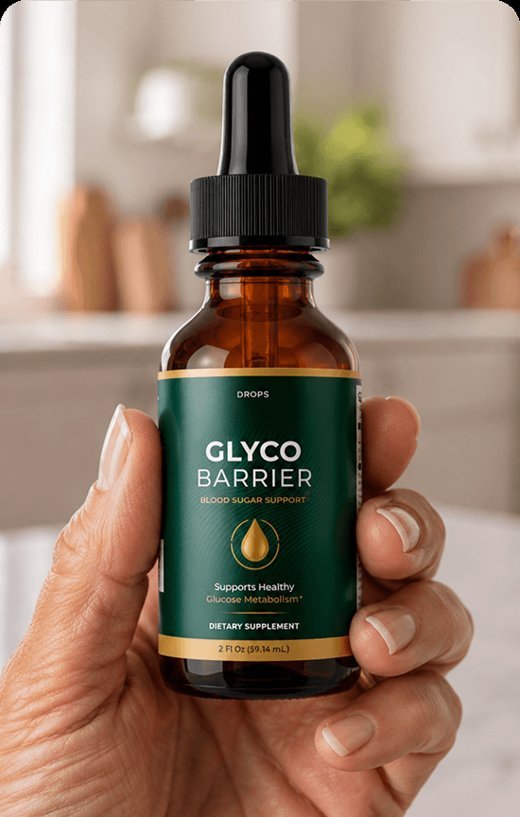
Individual results vary. Glyco Barrier doesn't replace your doctor, your medicine or your lab work, and it isn't a cure. If you take anything that lowers blood sugar, have kidney or liver problems, or are pregnant or nursing, ask your doctor first.
Want to walk into your next visit talking about fewer pills, not more?Watch the morning routine before that appointment →So, is there a cure for type 2 diabetes?
Not in the sense that it can never come back, which is why doctors say remission. But remission is real: an A1c under 6.5 percent off medicine, most often reached by losing a meaningful amount of weight, earlier rather than later, with a doctor guiding the medicine changes, and checked every year. What makes it hard to keep is the hunger, and the after-meal signal behind that hunger is worth a conversation with your doctor. Never stop or change a diabetes medicine on your own. This page is for information only and isn't medical advice.
P.S. Darlene added a line to the church prayer list this week, in pencil, without a name next to it: "For the ones who are tired of managing it." If that's you, here's the hour Bonnie told her to watch before the third pill. And if you're wondering how much weight it really takes, read what the numbers say about losing weight to reverse type 2.