Blood Sugar · Prediabetes · Diet
Prediabetes Diet: Frank Gave Up Bread, Soda and His Wife's Peach Cobbler. His A1c Went From 6.2 to 6.4. Here's What His Plate Was Never Going to Reach
What a prediabetes diet really looks like, the swaps that help, why some people do everything right and still watch the number climb, and the overlooked factor a physician says the plate can't fix on its own.
By the Blood Sugar Balance editorial desk · October 2026 · 7 min read
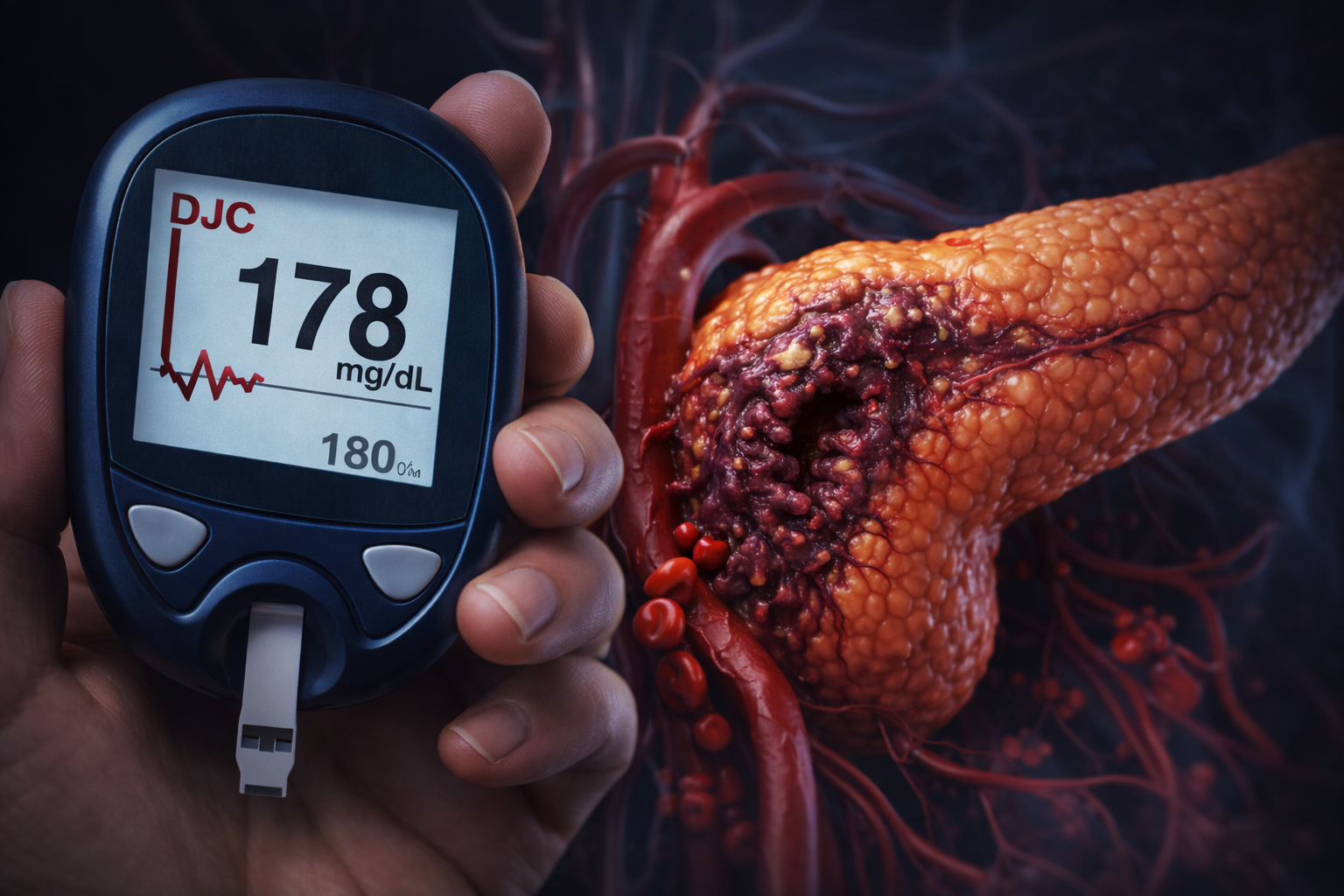
Frank, 58, has fixed air conditioners in Toledo, Ohio for thirty-one years. In April his doctor told him his A1c was 6.2. "Prediabetes," she said. "This is the window. If you change how you eat now, a lot of people never cross over." Frank is not a man who does things halfway. That night he searched prediabetes diet, printed three meal plans on the printer in his garage, and taped them to the refrigerator.

He gave up white bread. He gave up the two cans of soda he drank in the van every afternoon. He started eating eggs instead of a bagel. He walked the dog after supper. He even told his wife, Barb, to stop making her peach cobbler on Sundays, which in their house is close to a constitutional crisis. He lost eleven pounds by August.
In September the lab sheet came back: 6.4.
"I didn't go backward on purpose," he told Barb, holding the paper. "I went backward doing it right."
What a prediabetes diet actually looks like
Let's be fair to the refrigerator, because most of what was on it is good advice. A diet for prediabetes isn't a special menu. It's a pattern most doctors agree on:
- Half the plate vegetables. Especially the non-starchy kind: greens, broccoli, peppers, green beans, salad.
- A quarter protein. Eggs, fish, chicken, beans, Greek yogurt. Protein slows how fast a meal turns into blood sugar.
- A quarter slow carbs. Beans, lentils, oats, whole grains, a small potato with the skin, instead of white bread, white rice and sweets.
- Drinks without sugar. Cutting soda and sweet tea is often the single biggest change.
- Good fats in place of fried food. Nuts, olive oil, avocado. Researchers are even running trials right now on whether swapping an afternoon snack for a handful of pecans changes blood sugar in prediabetes.
- Walking after meals. Ten minutes is enough to help the muscles use some of what you just ate.
For many people, this pattern plus a little weight loss is enough to bring the number back down. That's real, and it's worth doing. But Frank's story isn't rare either, and if you're reading this with your own lab sheet in your hand, you deserve to know why.
Why the plate can't do the whole job
A diet works on one thing: how much sugar comes in, and how fast. That's the front door. But your A1c doesn't measure what came in. It measures how much sugar stayed in your blood, all day and all night, for about three months. That depends on a second thing the plate never touches: how well your own body uses its own insulin to move that sugar out of the blood and into the cells, at 2 p.m., at 2 a.m., and through the long hours between meals.
When that second step starts to slip, you can shrink what comes in and still watch the number creep up. Frank wasn't eating his way to 6.4. His body was holding on to more of what he ate, for longer.
Doing everything right, number still climbing?Hear a physician explain what the plate can't reach →The factor most checklists never look at
Frank's sister-in-law, Theresa, 63, is a retired school nurse in Sandusky who has had type 2 since 2017. At a family cookout in September, she watched Frank eat a plain hamburger patty with no bun next to a tray of Barb's banished cobbler, and she asked him how the number was doing. He told her. She didn't look surprised.
"Mine did the same thing," she said. "Two years of perfect plates. Then somebody explained to me why it wasn't only the food." That night she texted him a presentation from a physician with three decades in practice, a doctor who gave his own patients the same diet sheet for thirty years and then watched his wife follow it to the letter and end up in the hospital anyway.
In the presentation, he explains what he believes was quietly getting in the way of her body's own signal to use insulin and feel full, the same message that makes you hungry an hour after a "good" dinner when it fades. He also describes the short morning ritual he now prepares for her at home. It's built around olive oil, the kind mentioned again and again in Scripture, and he's exact about the details: which olive oil, what goes in with it, and the hour of the morning. He says it isn't the honey-and-cinnamon drink that goes around online, and he explains why.
I won't try to retell it. The "which oil" and the "what time" are the whole point, and he explains them better than any of us could.
Already cooking with olive oil?See why the kind, the pairing and the hour matter →What's on Frank's counter now
At the end of the presentation, the physician talks about a supplement made to support the body's own blood sugar balance through the whole day, including the hours long after the meal is gone. It's called Glyco Barrier. Frank, who reads every line of a parts manual before he opens a unit, read the label twice and then read it to Theresa over the phone, because she knows medicine and he doesn't.
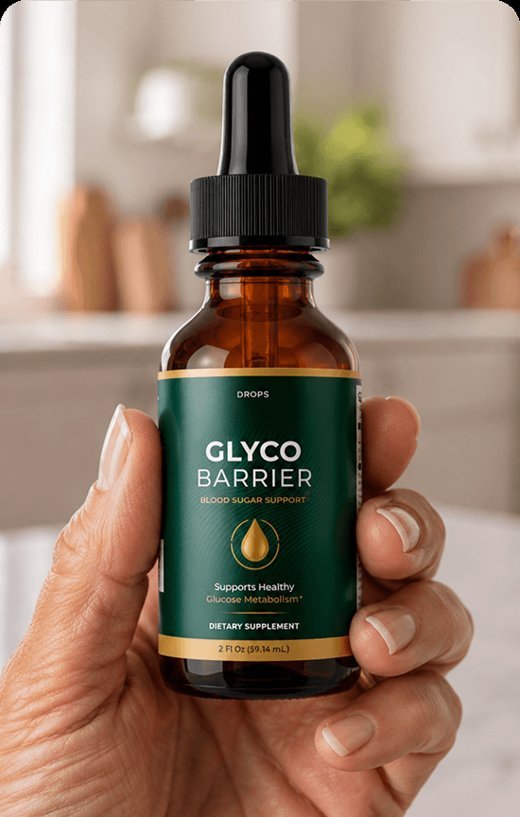
What he found on the label
- Chromium picolinate. A mineral studied for how well the body responds to its own insulin. "That's the back half," he said. "The part the plate doesn't touch."
- Gymnema sylvestre leaf. A traditional herb for healthy glucose metabolism and for quieting the pull toward sweets, which mattered on cobbler Sundays.
- Green tea leaf. Antioxidants and gentle metabolic support.
- Coleus forskohlii root. Supports how the body uses stored fuel.
- Maca root. Traditionally used for steadier energy through the afternoon.
What he noticed, and when
- Weeks 1 and 2. Drops in the morning and evening, same diet, same dog walks. Nothing he'd swear to.
- Weeks 3 to 6. His fasting readings, which had been sitting at 112 to 118, started landing around 100 to 104 most mornings.
- Month 2. The 4 p.m. craving for a soda in the van faded. He hadn't noticed how loud it was until it was quiet.
- Month 3. His recheck is in January. Barb has a cobbler recipe ready "for a small celebration slice."
Why so slow? Because A1c is built from about three months of blood, and anything aimed at how the body handles sugar between meals needs weeks before the lab can see it. Results vary from person to person, and some people will still need more help from their doctor. That isn't failure either.
It may suit you if you have prediabetes or type 2, you've already changed your plate, and the number has stalled or crept up. Skip it or ask your doctor first if you have type 1, take insulin or another glucose-lowering medicine, have kidney or liver problems, or you're pregnant or nursing. The order page shows a 60-day satisfaction promise from the date of purchase.
Before the next lab sheetWatch what Theresa sent Frank after the cookout →P.S. The meal plans are still on Frank's refrigerator, a little curled at the corners. He still skips the bun and still walks the dog after supper. If you're holding your own lab sheet tonight wondering what else you could possibly cut, watch the presentation first.
Continue reading Herbs to Lower A1c? Gloria Filled a Whole Shelf Why seven bottles moved the number once and then stopped.Sources and further reading
American Diabetes Association. Standards of Care in Diabetes, 2026: prevention or delay of type 2 diabetes.
ClinicalTrials.gov NCT07235358: Cardiometabolic Effects of Pecan Snacking in Prediabetes (recruiting, 2026).